


Human Behavior as Story (CANADA)
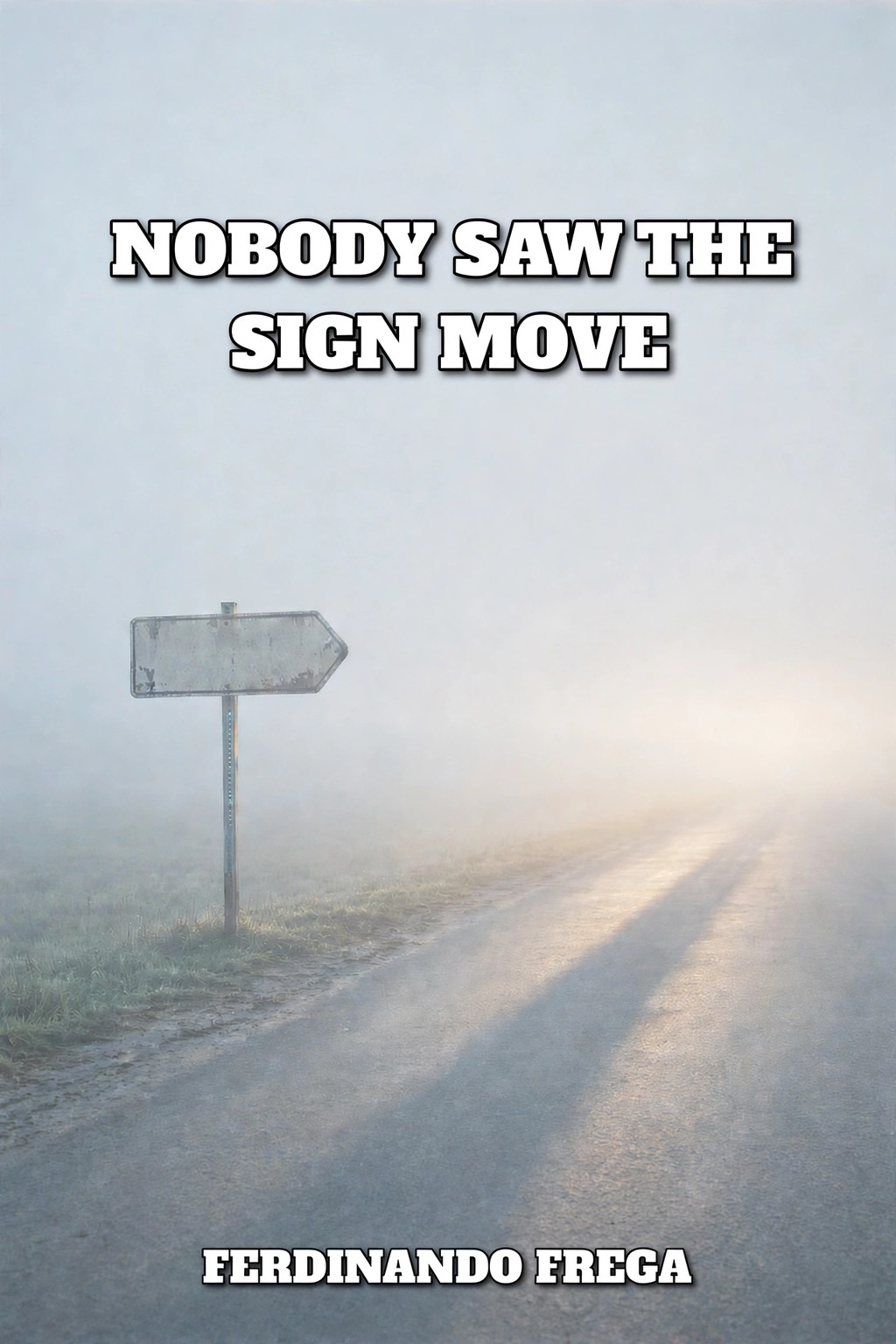
NOBODY SAW THE SIGN MOVE
The sign had always been there.
One evening I looked at it and it seemed farther away.
I did not remember it that way.
I asked a neighbor.
He shrugged.
“It has always been here.”
It was not true.
But he believed it.
And that is what frightened me.
Not the sign.
Not the fact that it had moved.
The speed with which memory had decided to cooperate.
For years I had believed I knew where the limit was.
Here you can.
There you cannot.
Then the boundary began to move.
One yard at a time.
One habit at a time.
One small exception at a time.
What seemed unthinkable yesterday became normal.
What was a privilege yesterday became a right.
What was a risk yesterday became an opportunity.
Nobody protested.
Because nobody saw the precise moment.
The deepest changes do not arrive as invasions.
They arrive as familiarity.
They sit down beside you.
They wait.
And when you finally notice they are there, they have already rearranged the furniture in the room.
It was not only the rules that were changing.
People were changing.
And when people change, the boundaries follow them.
It was then that I understood an important difference.
Frontiers do not only separate territories.
They separate eras.
Versions of the same society.
Versions of the same person.
There are no motionless frontiers.
There are frontiers that move slowly enough to seem still.
The problem is not crossing them.
The problem is realizing that they have already crossed you.
And by the time you understand it, the sign is already behind you.
Ferdinando